
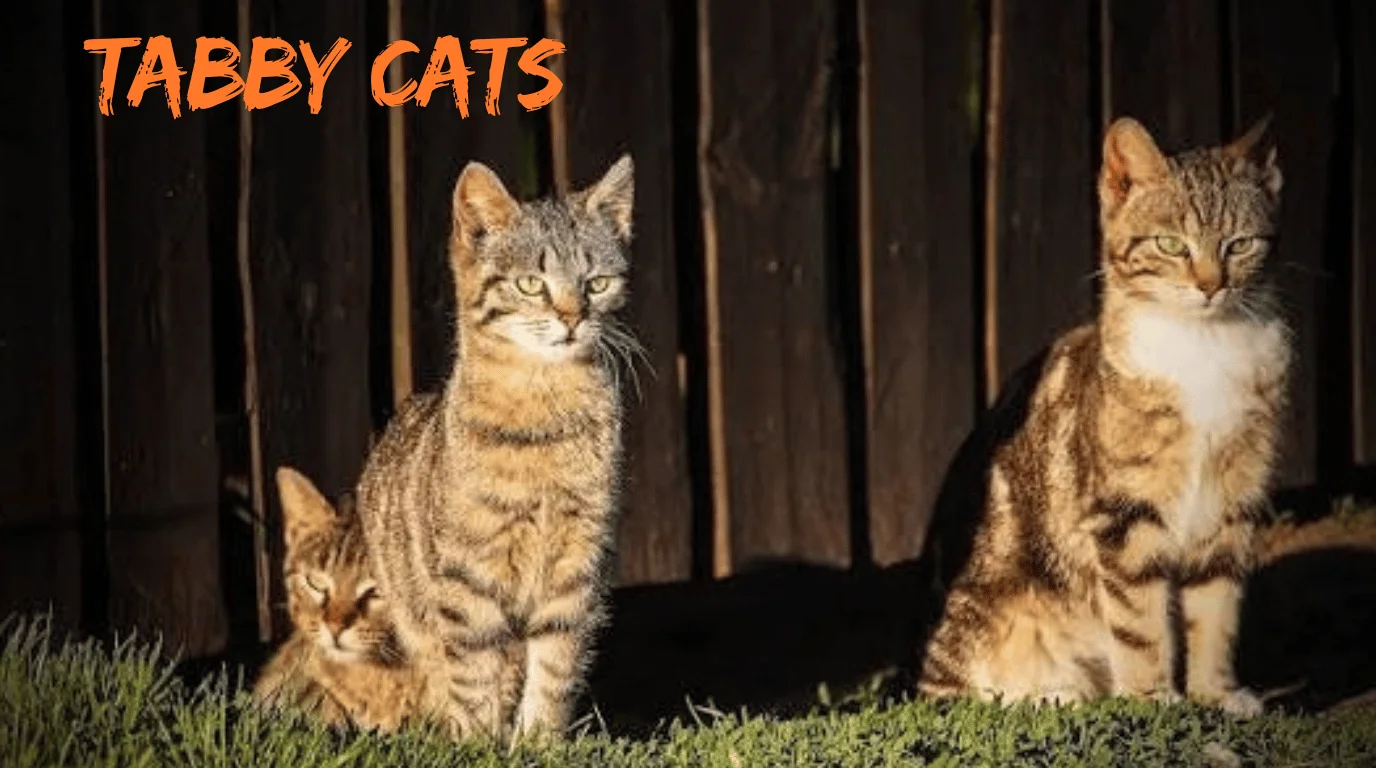
Tabby cats are domestic cats with recognizable stripes, spots, swirls, or banded hairs. The word describes a coat pattern, not a breed. That difference matters because appearance alone cannot predict size, temperament, health, or lifespan.
A tabby is a domestic cat with a striped, spotted, swirled, or ticked coat pattern. Tabby describes markings, not a breed, so size, temperament, and lifespan vary widely. The four main patterns are mackerel, classic, spotted, and ticked, often paired with an M-shaped forehead marking.
Quick Facts About the Tabby Pattern
| Feature | What it means |
|---|---|
| Type | Coat pattern, not a cat breed |
| Main patterns | Mackerel, classic, spotted, and ticked |
| Common facial mark | An M-shaped marking above the eyes |
| Possible colors | Brown, gray, silver, orange, cream, blue, and mixed combinations |
| Personality | Depends more on genetics, socialization, environment, and individual temperament |
| Care | Follow normal feline nutrition, enrichment, dental, parasite, and veterinary guidance. |
| Lifespan | Varies by breed mix, health, lifestyle, and veterinary care |
Key Takeaways
- A tabby can be a mixed-breed cat or a pedigreed cat.
- Four major pattern types explain most striped, swirled, spotted, and ticked coats.
- Patched tabbies combine tabby markings with tortoiseshell or calico coloring.
- Coat markings do not create a single personality type.
- Preventive care should reflect the cat’s age, lifestyle, and medical needs.
What Are Tabby Cats?
The tabby label tells you how a cat’s coat is patterned. It does not identify a single breed or bloodline. Maine Coons, American Shorthairs, Bengals, Abyssinians, and mixed domestic cats can all show these markings.
Those markings form through several interacting genes that control pigment placement and hair banding. Research has linked Taqpep to mackerel and classic pattern differences. A Nature Communications study also identified Dkk4 variants that help shape ticked pattern development.
The coat can reveal useful visual clues, but it should not become a shortcut for judging behavior. Two similarly marked cats may differ greatly in activity, sociability, and confidence. Early socialization and daily experiences can shape those traits throughout life. More cat and companion-animal coverage sits in the Readlish Pets section.
The Four Main Tabby Coat Patterns
Most scientific classifications describe four main coat patterns. Each uses darker pigment differently across the body. You’ll often identify the pattern by checking the sides, back, legs, and tail.
| Pattern | How it looks | Easy identification clue |
|---|---|---|
| Mackerel | Narrow vertical stripes | Thin lines run from the spine toward the belly. |
| Classic | Broad swirls and curves | Large bullseye-like markings appear on the sides. |
| Spotted | Spots or broken stripes | Dark marks appear as dots, ovals, or short dashes. |
| Ticked | Banded individual hairs | The body looks evenly speckled with fewer obvious side stripes. |
Mackerel is considered the ancestral striped form in genetic research. Classic patterning produces broader whorls because coat-pattern genes change how dark areas develop. Spotted coats can result when stripe patterns become separated marks.
Patched is often listed as a fifth type in pet guides. It is better understood as tabby markings combined with tortoiseshell or calico color patches. A patched cat may still show mackerel, classic, or another underlying pattern.
Why Do Tabbies Have an M on the Forehead?
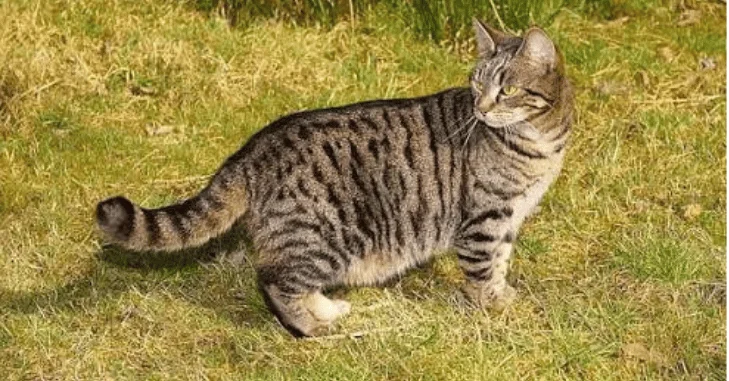
The dark M shape above the eyes is part of common facial tabby patterning. It appears across different coat colors and pattern types. Its visibility changes with contrast, hair color, and other inherited traits.
Stories about the M appear in several religious and cultural traditions. Those stories are folklore rather than genetic explanations. Modern research points to pigment-pattern development as the reason these facial lines form.
Some solid-colored kittens can show faint ghost markings in bright light. These stripes may become harder to see as the coat matures. A visible M alone does not identify a specific breed.
Colors and Other Markings You May See
Tabby patterning can appear on many base colors. Brown and gray coats are familiar, while orange and silver versions are also common. Cream, blue-gray, and mixed-color coats can carry the same structural markings.
Look for facial pencil lines, rings around the legs, and bands along the tail. Many cats also have lighter fur around the chin or belly. The exact contrast depends on pigment genes and the cat’s background color.
Orange coats almost always reveal some form of patterned marking. In 2025, researchers linked orange coloration to an X-linked ARHGAP36 regulatory deletion. That discovery clarified a long-standing mystery in feline coat genetics.
Silver coats can create sharp contrast between pale backgrounds and dark markings. Brown coats often range from warm tan to deep black-brown striping. Both can carry mackerel, classic, spotted, or ticked patterning.
Tabby Cat Personality: What the Coat Cannot Tell You
A striped coat does not guarantee a friendly, bold, quiet, or playful personality. Behavioral guidance treats temperament as an individual characteristic. Breed ancestry, early handling, stress, learning, and home conditions all contribute.
Color-based personality stereotypes can be entertaining, but they should not guide adoption decisions. Spend time observing the individual cat instead. Watch responses to handling, play, new people, noise, and recovery after mild stress.
Shelters and foster homes can offer useful behavioral history. Ask about activity level, sociability, litter habits, and comfort with other animals. Those observations tell you more than coat pattern alone.
Lifespan and Health Expectations
There is no single tabby cat lifespan because the pattern appears across many breeds and mixes. A healthy mixed domestic cat often lives well into its teens. Genetics, body weight, indoor safety, nutrition, and preventive care all influence longevity.
The pattern itself does not create a special disease profile. Health risks depend more on breed ancestry, age, lifestyle, and individual medical history. A veterinarian can build a care plan around those factors.
U.S. feline guidelines recommend regular physical examinations throughout life. The AAHA and AAFP advise at least annual exams for most adult cats. Senior cats may benefit from visits every six months based on individual needs.
Everyday Care for a Healthy Tabby-Patterned Cat
Coat pattern does not change the basics of feline care. Your cat still needs balanced nutrition, clean water, exercise, mental stimulation, and preventive medicine. Long-haired cats usually need more grooming than shorthaired cats.
Use these practical care priorities:
- Feed measured portions that support an ideal body condition.
- Provide scratching surfaces, climbing spaces, hiding places, and daily interactive play.
- Keep litter boxes clean, accessible, and appropriate for the cat’s size.
- Discuss vaccines, parasite prevention, dental care, and screening with your veterinarian.
- Watch for changes in appetite, weight, grooming, thirst, urination, mobility, or behavior.
These priorities align with U.S. feline life-stage recommendations covering nutrition, dental care, elimination, enrichment, parasites, and preventive examinations.
Environmental setup matters because cats need safe places and separated resources. Food, water, resting areas, scratching posts, and litter locations should not compete for one small space. Multi-cat homes often need duplicate resources to reduce tension.
Broader household topics also appear in the Mastiff Price. Those guides cover home routines that sit alongside everyday pet care.
How to Identify a Tabby at Home
Start by examining the forehead, cheeks, legs, tail, and sides in good light. Look for the M-shaped forehead mark and repeated darker markings. Then decide whether the body shows stripes, swirls, spots, or evenly banded hairs.
Do not rely on color alone. An orange, silver, brown, or gray cat can share the same underlying pattern type. Long fur can also soften markings that look clearer on shorthaired cats.
Photos from both sides can make identification easier. Compare the body shape of the markings, not the fur shade. If breed ancestry matters, appearance alone cannot confirm a pedigree.
Frequently Asked Questions
Are Tabby Cats a Breed?
No, the term describes a coat pattern rather than a breed. The markings can appear in pedigreed and mixed-breed domestic cats. Breed identification requires more information than stripes, spots, or swirls.
What Is the Most Common Tabby Pattern?
Mackerel is widely described as the common ancestral striped pattern. It has narrow vertical lines running from the back toward the belly. A darker stripe usually follows the spine.
Why Does My Tabby Have Spots Instead of Stripes?
Spotted coats can develop when darker pattern areas form separated marks. The spots may appear as dots, ovals, or broken short stripes. Genetics determines how strongly those marks appear.
Are Orange Tabbies Always Male?
No, females can also have orange coats. Orange coloring is linked to the X chromosome, which changes inheritance between males and females. Male orange cats are more common, but females can inherit orange coloration.
How Long Can a Tabby-Patterned Cat Live?
There is no coat-specific lifespan. Many healthy domestic cats live into their teens, while some live longer. Veterinary care, safe housing, weight, genetics, and disease prevention all matter.
A Better Way to Think About the Tabby Label
A tabby pattern is a visual trait, not a complete description of the cat. Use the markings to appreciate coat genetics and identify pattern type. Judge personality, health, and care needs from the individual animal.
If you are adopting, focus on temperament, medical history, lifestyle fit, and veterinary needs. Those factors shape daily life more than stripes or swirls. Visit the Readlish homepage for more practical guides across lifestyle, home, health, and other topics.