
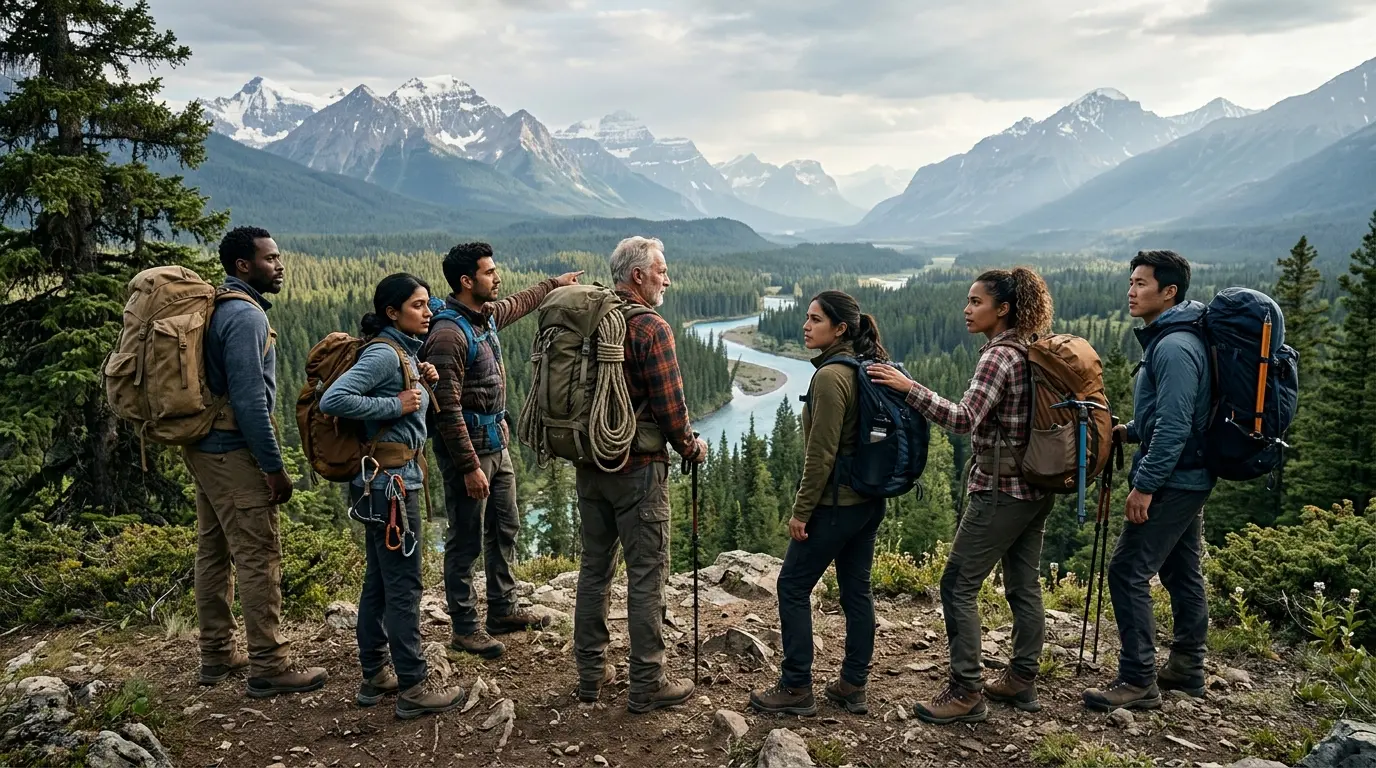
Adventure fiction puts characters into dangerous situations where action, discovery, and difficult choices drive the story forward. These stories can cross oceans, enter wilderness areas, uncover lost places, or send ordinary people into extraordinary circumstances. For readers, the appeal comes from wondering what waits beyond the next turn.
The genre also has remarkable flexibility. A story can take place aboard a pirate ship, in the American wilderness, or on another planet. What matters most is that the adventure shapes the main plot rather than appearing as a brief side event. Readers who enjoy stories and screen adaptations can find more in Readlish’s entertainment coverage.
| Key Element | What Readers Can Expect |
|---|---|
| Main focus | A journey, mission, escape, search, or dangerous undertaking |
| Typical pace | Fast and forward-moving |
| Central conflict | Physical danger, obstacles, rivals, nature, or survival |
| Common protagonists | Explorers, travelers, survivors, soldiers, fugitives, or reluctant heroes |
| Popular settings | Wilderness, oceans, historical worlds, remote locations, and imagined worlds |
| Related genres | Fantasy, science fiction, historical fiction, thrillers, westerns, and mysteries |
| Reader appeal | Suspense, discovery, danger, action, and personal transformation |
Direct answer: Adventure fiction is storytelling built around an exciting undertaking that carries meaningful risk. Its characters usually leave familiar routines and confront danger, uncertainty, or demanding obstacles. Fast-moving plots, exploration, survival, quests, and physical action are common. The adventure itself remains central to the story.
What Is Adventure Fiction?
Adventure fiction is a broad literary genre in which an adventurous undertaking forms the main storyline. Danger or significant risk usually accompanies that undertaking. Characters must respond through action rather than watching events unfold from a safe distance.
That distinction matters because many novels contain adventurous scenes without belonging primarily to this genre. A chase or dangerous trip alone does not define the entire book. The central journey and its risks must consistently move the plot forward.
The genre has deep literary roots and has changed with its readers. Earlier stories often followed explorers, sailors, warriors, or travelers entering distant territories. Modern books can preserve that same narrative energy while using contemporary cities, space travel, archaeological mysteries, or survival situations.
Seven Essential Traits of a Great Adventure Story

Certain characteristics appear repeatedly across adventure novels. Authors can combine them in different ways, so every story does not feel identical. Readers can use these seven traits to recognize the genre quickly.
- A clear goal: The protagonist needs something concrete to pursue, find, protect, escape, or accomplish.
- Meaningful danger: Failure should carry consequences that matter to the characters.
- Forward movement: New discoveries and problems keep pushing the plot toward another destination or decision.
- Uncertainty: Characters rarely know exactly what waits ahead or whether their plans will work.
- Active protagonists: Main characters make choices, take risks, and respond directly to obstacles.
- Challenging settings: Geography, weather, isolation, unfamiliar cultures, or imagined environments can become part of the conflict.
- Personal change: The physical journey often tests courage, loyalty, judgment, identity, or relationships.
Strong stories balance these ingredients instead of relying on nonstop action. Danger becomes more meaningful when readers care about the people experiencing it. A quieter conversation can create as much tension as a chase when an important decision depends on it.
Why Adventure Stories Keep Readers Turning Pages
Momentum is one of the genre’s strongest attractions. A new obstacle can change a character’s destination, resources, allies, or chances of survival. Each solution can also create another problem, giving readers a reason to continue.
Discovery adds another source of pleasure. Readers might encounter an unfamiliar island, hidden passage, forgotten civilization, or distant planet alongside the protagonist. That feeling of entering the unknown makes exploration part of the reward.
Adventure stories also let readers experience risk without facing it themselves. You can cross a dangerous mountain or survive a shipwreck from a comfortable chair. The emotional experience feels immediate even though the danger exists safely on the page.
Popular Types of Adventure Stories
The genre stretches across several recognizable subgenres. Their settings and conventions differ, but movement and high stakes connect them. Knowing these categories can make finding your next book easier.
Action-Adventure
Action-adventure places physical conflict near the center of the plot. Chases, escapes, battles, rescues, and dangerous missions commonly create momentum. These books often suit readers who prefer quick developments and visible stakes.
Survival Fiction
Survival stories reduce the protagonist’s priorities to essentials. Food, shelter, weather, injury, isolation, or hostile terrain may become major threats. The strongest examples also explore how pressure changes a person’s decisions and relationships.
Historical Adventure
Historical adventures place fictional or fictionalized journeys within an earlier period. Ships, wars, expeditions, political conflicts, and frontier settings can shape the action. Historical conditions should affect what characters can realistically know and do.
Fantasy Adventure
Fantasy adventures combine quests and danger with supernatural or invented worlds. Magic can expand what is possible, but characters still need meaningful limitations. Readers remain invested when choices carry consequences despite fantastical surroundings.
Science-Fiction Adventure
Science-fiction adventures move the journey into technologically advanced or speculative settings. Exploration might involve another planet, a future society, or an unfamiliar environment. Technology changes the tools available without removing the need for conflict and risk.
Adventure Fiction Versus Action Fiction
Adventure and action frequently overlap, but they are not identical. Action fiction emphasizes physical conflict, speed, confrontation, and spectacle. Adventure usually gives greater importance to the journey, exploration, or pursuit behind those events.
Imagine two stories involving a stolen artifact. One might focus primarily on gunfights and confrontations with criminals. Another could follow a dangerous expedition across several countries to locate the artifact first.
Both stories can contain action. The second places the undertaking and journey closer to the center. Genre boundaries remain flexible, so many publishers and readers comfortably use the term “action-adventure.”
How Adventure Overlaps With Other Genres
Adventure works especially well as a framework for other genres. Fantasy can supply magical worlds, while historical fiction provides another period and its limitations. Science fiction can move exploration beyond Earth.
Mysteries can also become adventures when solving the puzzle requires dangerous travel or physical action. Thrillers share suspense and high stakes, although they often emphasize threats and tension more heavily. Westerns, sea stories, spy novels, and war fiction can use the same narrative structure.
This flexibility explains why readers may enjoy adventurous storytelling without identifying themselves as dedicated genre fans. Someone who loves fantasy quests may value the same momentum as a reader of survival novels. The surface details change, but the pleasure of uncertainty and movement remains familiar.
Classic and Modern Adventure Books to Explore
Readers entering the genre have many starting points. Treasure Island by Robert Louis Stevenson offers pirates, treasure hunting, danger, and betrayal. The Count of Monte Cristo by Alexandre Dumas combines escape, travel, revenge, and carefully planned confrontations.
Around the World in Eighty Days by Jules Verne builds its story around travel and a strict deadline. Jack London’s The Call of the Wild places survival and harsh environmental conditions near its center. These older works also show how widely the adventure tradition can vary.
Contemporary readers can find similar energy across many categories. Andy Weir’s The Martian combines science fiction with survival, resourcefulness, and isolation. Younger readers may encounter the same structure through fantasy quests, historical journeys, and wilderness stories.
A useful reading list should therefore cross genre labels instead of treating adventure as one narrow shelf. Start with the setting or conflict that interests you most. Then look for stories where a difficult undertaking drives nearly every major event.
How to Choose an Adventure Book You’ll Enjoy
Start by deciding what kind of danger sounds interesting rather than exhausting. Some readers enjoy wilderness survival, while others prefer treasure hunts or historical expeditions. Your preferred setting can narrow hundreds of choices quickly.
Next, consider the balance between action and character development. Fast-paced books may move rapidly between obstacles. Character-focused adventures can spend more time examining how danger changes friendships, beliefs, and personal priorities.
Age category and intensity also matter. Middle-grade, young-adult, and adult books can all contain serious danger, but they often handle violence differently. Checking a publisher’s description and reader content notes can help you choose comfortably.
Why Setting Matters So Much
Setting does more than provide scenery in a strong adventure. A desert creates problems different from those found at sea, in a jungle, or aboard a spacecraft. Characters must adapt their plans to the environment around them.
This relationship makes place an active part of the story. Distance can limit supplies, while weather can destroy a carefully designed plan. Isolation can also force characters to depend on people they would normally avoid.
American readers can find this effect in stories set across mountains, deserts, forests, rivers, and frontier environments. International settings can offer another form of discovery when handled with research and care. In either case, convincing details help the journey feel consequential.
What Makes an Adventure Hero Interesting?
An adventure protagonist does not need to begin as a fearless expert. Reluctant travelers and inexperienced survivors can create compelling stories because readers watch them learn. Their weaknesses also give external dangers more weight.
Resourcefulness often matters more than physical strength. Interesting heroes notice details, change plans, seek help, and make difficult choices under pressure. Mistakes can deepen the story when characters must deal with their consequences.
The journey should eventually reveal something about the protagonist. A character may discover courage, question an old belief, or understand another person differently. That internal movement gives the external adventure lasting emotional value.
Frequently Asked Questions About Adventure Fiction
What is adventure fiction?
Adventure fiction is a genre where a risky journey, mission, exploration, or undertaking drives the central plot. Characters typically encounter danger and obstacles that require direct action. The genre emphasizes momentum, uncertainty, and discovery.
What are the main elements of an adventure story?
Common elements include a goal, meaningful danger, an active protagonist, difficult obstacles, and forward movement. Many stories also use unfamiliar or challenging settings. Personal growth often develops alongside the physical journey.
Is adventure the same as fantasy?
No, although the two genres frequently overlap. Fantasy uses supernatural elements or invented worlds as defining features. An adventure can be completely realistic and still contain danger, exploration, and a demanding journey.
Can an adventure story take place in everyday America?
Yes, a story does not require a distant island or imaginary kingdom. Wilderness areas, road trips, cities, caves, rivers, and national parks can support adventurous plots. The key requirement is an undertaking that moves characters beyond ordinary routines and creates meaningful stakes.
Are adventure books only for children?
No, adventure stories are written for children, teenagers, and adults. The complexity, themes, violence, and characterization vary by intended audience. Adult adventure can explore survival, morality, history, politics, relationships, and psychological pressure alongside physical danger.
Finding Your Next Great Adventure
The genre remains appealing because it turns uncertainty into forward motion. Readers follow people who leave familiar circumstances and discover what happens when plans fail. Danger provides tension, while exploration supplies curiosity and surprise.
Your ideal starting point depends on what you want from the journey. Choose survival for resourcefulness, historical stories for another period, or fantasy for impossible worlds. Then follow the central question that every memorable adventure creates: what happens next?