
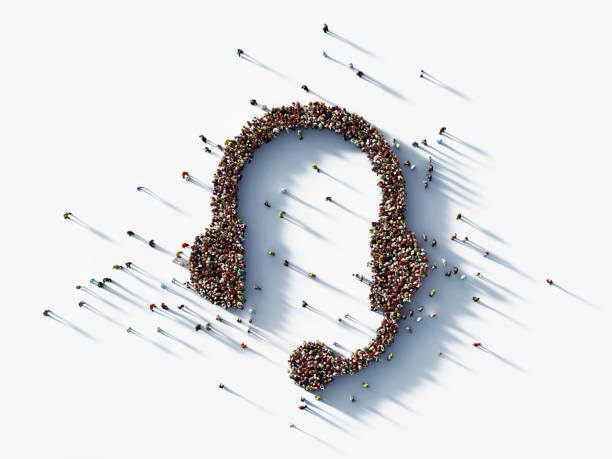
Brown Paper Tickets reviews demonstrate how social listening has become an essential strategy for event marketers aiming to stay relevant and audience-focused. In today’s fast-moving digital landscape, real-time conversations across platforms offer a direct window into the interests, frustrations, and desires of your potential attendees. Social listening isn’t just about monitoring—it’s about engaging meaningfully and using insights to shape experiences that truly resonate. Platforms like Brown Paper Tickets—a global ticketing service providing tools for seamless event planning and execution—support this approach by enabling consistent, professional communication from registration to post-event follow-up.
By tracking trends, analyzing emerging topics, and engaging with audiences authentically, organizers can align their messaging and programming with what matters most. Social listening turns online chatter into a powerful feedback loop that informs not just marketing—but the very DNA of your event content and experience.
What Is Social Listening and Why Does It Matter?
At its core, social listening involves tracking digital conversations on platforms like Instagram, TikTok, X, LinkedIn and relevant forums to better understand public sentiment, hot topics and audience behaviors. It goes beyond counting likes or shares. Instead, it focuses on the context and meaning behind the engagement.
For event marketers, this intelligence offers a direct line into the collective mind of your audience. Want to know what speakers resonate most, what content they crave, or which topics are being ignored? Social listening can reveal those answers.
It also offers an edge in a competitive market. In a crowded event space, audiences gravitate toward brands and experiences that feel responsive, timely and aware. By aligning your content, tone and programming with real-time interests, you not only attract attention but also earn trust.
Tools That Make Listening Easy
Effective social listening doesn’t require endless manual effort. Today’s tools make it possible to monitor thousands of conversations across platforms with precision and ease. Options like Brandwatch, Sprout Social, Hootsuite and Mention offer dashboards that aggregate hashtags, keywords and brand mentions in one place.
For event-specific insights, set up alerts for your event name, speaker names, niche topics or even competitor brands. Real-time notifications let you catch and respond to trends as they unfold.
These platforms also allow sentiment analysis, helping you understand not just what people are saying but how they feel about it. Are attendees excited, confused, frustrated or thrilled? This emotional insight informs how you frame future messaging and adjust the experience.
Social listening also enables geotagging, which is helpful for in-person events. By seeing where people are posting from, you can identify engagement hotspots or pain points in real-time and make adjustments on the fly.
Aligning Content with Audience Priorities
One of the most powerful applications of social listening is content alignment. Let’s say you’re hosting a marketing conference, and buzz is building online about AI-generated content. A spike in discussion volume may suggest a need to pivot, adding a last-minute panel or breakout session addressing the topic.
Conversely, if an invited keynote speaker is receiving lukewarm mentions, it may be worth reevaluating their talking points or offering alternative content to round out the schedule. These quick pivots show attendees you’re paying attention and increase the likelihood of a successful, well-received event.
You can also use listening insights to shape pre-event and post-event content. Blogs, teaser videos, behind-the-scenes content or speaker interviews that speak directly to what people are already talking about are more likely to gain traction.
Engaging Authentically with Your Audience
Social listening isn’t just about monitoring; it’s about engaging. When you join conversations that matter to your audience, you build relationships and strengthen brand affinity.
Platforms like Brown Paper Tickets offer secure, user-friendly tools for ticketing and registration. These tools help organizers focus their energy on meaningful audience engagement, not administrative headaches. When systems work smoothly, brands are free to engage creatively and confidently.
Another form of authentic engagement is showcasing audience-generated content. Reposting attendee stories, tweets, or LinkedIn reflections fosters a community vibe while giving you social proof. Be sure to ask permission when needed and always credit the creator.
Consider hosting “social listening” booths or activations at your event where attendees can offer input or record video testimonials. These contributions offer a treasure trove of insights and content you can use long after the event ends.
Spotting Trends Before They Peak
A major advantage of social listening is trendspotting. The earlier you notice a shift in sentiment or interest, the faster you can act. This proactive mindset allows you to position your event as a thought leader, not a follower.
For example, if you see a growing number of posts about accessibility or hybrid event formats, you might prioritize those aspects in your next planning phase. Being first to address these emerging themes enhances your relevance and value to your audience.
This proactive approach also extends to crisis management. If negative feedback begins surfacing online, social listening gives you a head start on crafting thoughtful responses before issues spiral. Early detection enables professional, transparent communication, an essential factor in protecting your brand’s reputation.
Measuring the Impact of Listening
After implementing a social listening strategy, it’s important to track its impact. Metrics like engagement rates, share of voice, sentiment shifts, and keyword growth offer measurable indicators of success.
Monitor whether your content alignment efforts increase social media traction or ticket sales. Track referrals or discount code usage if you tie promotions to trending topics. Watch for recurring themes in post-event surveys to validate that your listening strategies match audience needs.
Over time, a well-run listening strategy will improve everything from programming and promotion to audience satisfaction and retention. You’ll also gain a deeper understanding of your brand’s positioning within the larger event ecosystem.
Building Better Events Through Real-Time Relevance
At its best, social listening turns event marketing into a two-way conversation. It helps you go beyond assumptions and base decisions on real, unfiltered audience input. In a world where relevance is currency, this insight is priceless.
By actively monitoring conversations and responding with timely, authentic engagement, event marketers not only earn attention but also build trust and long-term loyalty. Real-time trends become strategic tools, not just background noise.
Pair that with reliable operational support, such as the secure and seamless systems offered by platforms, and you create the space to focus on what truly matters: delivering experiences your audience wants, needs and loves to share.
If you want to read an interesting article about it, explore our “Digital Marketing” category.